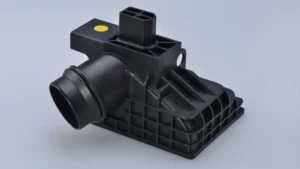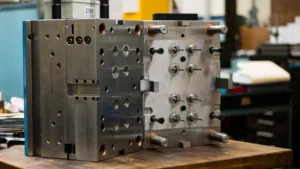
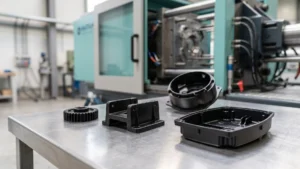
Insert Molding vs. Overmolding: What is the Difference ?
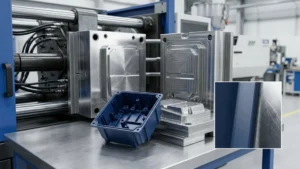
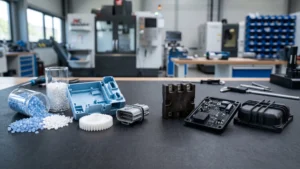
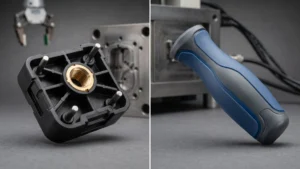
A side-by-side comparison of two multi-material injection molding processes — when to use each and what each requires from the part design. Insert molding and
Insights, news, and expert perspectives from the world of injection molding.

A side-by-side comparison of two multi-material injection molding processes — when to use each and what each requires from the part design. Insert molding and

A guide to SPI standards, Mold-Tech textures, and how to specify the right surface finish for your injection molded part. The surface finish of an

Properties, advantages, disadvantages, and injection molding considerations for glass-fiber-reinforced nylon. Glass-filled nylon is polyamide reinforced with chopped glass fibers — typically 15%, 30%, or 50%

Material properties, injection molding considerations, and applications for Delrin — one of the most dimensionally stable engineering plastics. Delrin is DuPont’s trade name for acetal

12 design rules that reduce tooling cost, improve part quality, and shorten development cycles — from the engineers at Texas Injection Molding. Design for Manufacturability

Understanding tooling cost, piece price, and the key factors driving injection molding program economics. Injection molding cost has two distinct components that must be understood

A practical framework for choosing between injection molding and 3D printing based on volume, geometry, material requirements, and timeline. Injection molding and 3D printing, also

Part design determines everything in injection molding. The shape of the part defines what the mold must do, what the process must achieve, and what

How glass transition temperature defines the upper thermal limit of injection molded plastics — and why it matters for material selection, mold design, and part

What V-0, V-1, V-2, HB, and 5V mean for injection molded plastic parts — and how to specify the right rating for your application. UL