Home » Resources for Plastic Injection Molding » Injection Molding Wall Thickness

Thick-Walled Injection Molding

Texas Injection Molding produces thick-walled plastic parts for applications that require solid sections, including glass-filled nylon replacements for machined metal components.

What Is Thick-Walled Injection Molding?

Conventional part design generally favors uniform walls and cores out unnecessary material. This reduces part weight and helps the plastic cool more evenly. A thick-walled part intentionally retains a solid section because its function or existing geometry calls for it.

There is no universal thickness at which a part becomes “thick-walled.” The appropriate wall depends on the resin, geometry, performance requirements, and molding process. As sections become thicker, cooling time and the risk of sink, internal voids, and dimensional variation increase.

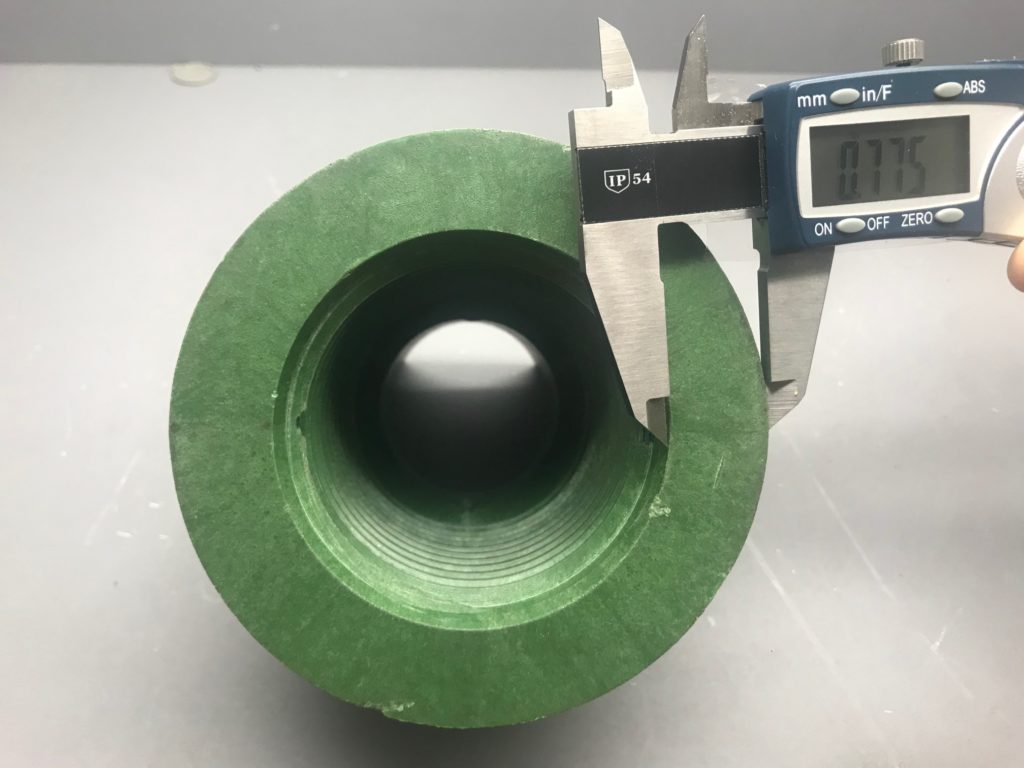
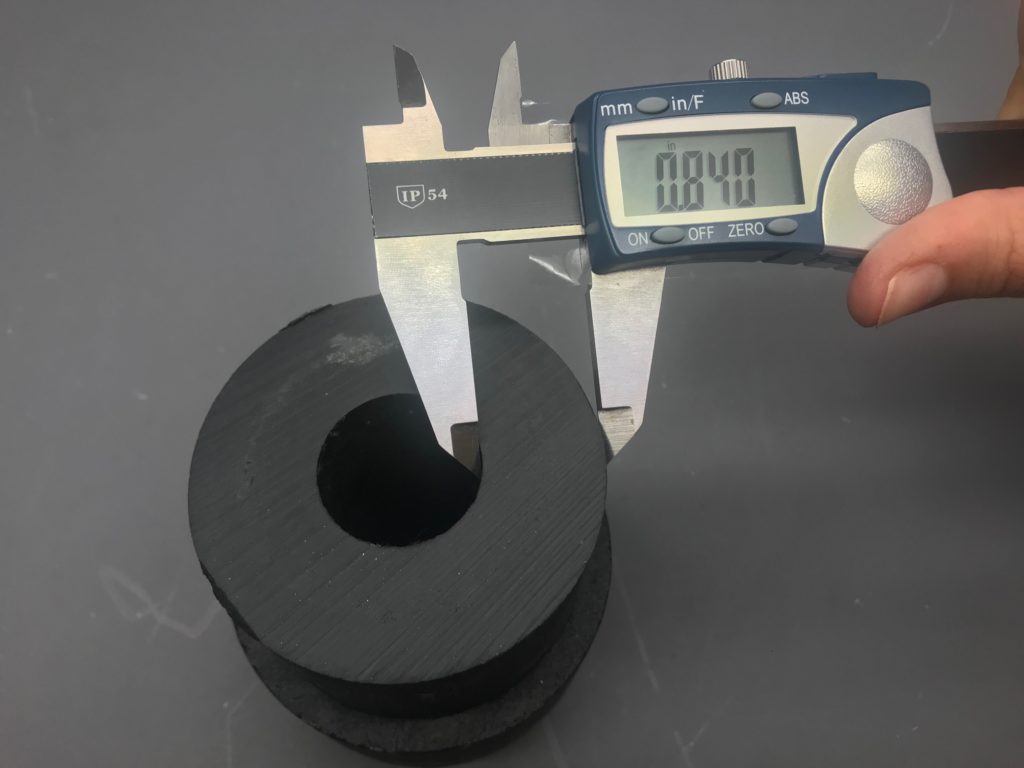
Injection molded plastic part replaces metal but required to maintain design with very thick walls for plastic and mechanical performance

When Are Thick Walls Necessary?

Some parts need solid sections to meet load, wear, insulation, or existing design requirements.

Load-bearing geometry: A solid section may be needed where ribs or thinner walls cannot meet the part’s specific load requirements.

Wear allowance: Additional material can provide a sacrificial surface in areas exposed to abrasion.

Thermal insulation or required mass: Some designs depend on a substantial plastic section for their intended function.

Metal-to-plastic conversions: An existing assembly may limit changes to part geometry when a machined metal component is replaced with plastic.

Thick-Walled Injection Molding FAQs

Answers to common questions about molding challenges, internal voids, inspection, and process control.

Project Planning & Cost

What Makes Thick-Walled Parts Challenging?

The outside of a molded part cools against the mold first. Material in the center of a thick section remains hot longer and continues to shrink. If sufficient molten material cannot be packed into that section as it cools, the shrinkage may pull the outer surface inward, creating a sink mark, or leave an internal shrinkage void.

Gate design, material behavior, packing conditions, and cooling all affect the outcome. The acceptable level of internal porosity should be defined by the part’s function rather than assumed to be zero.

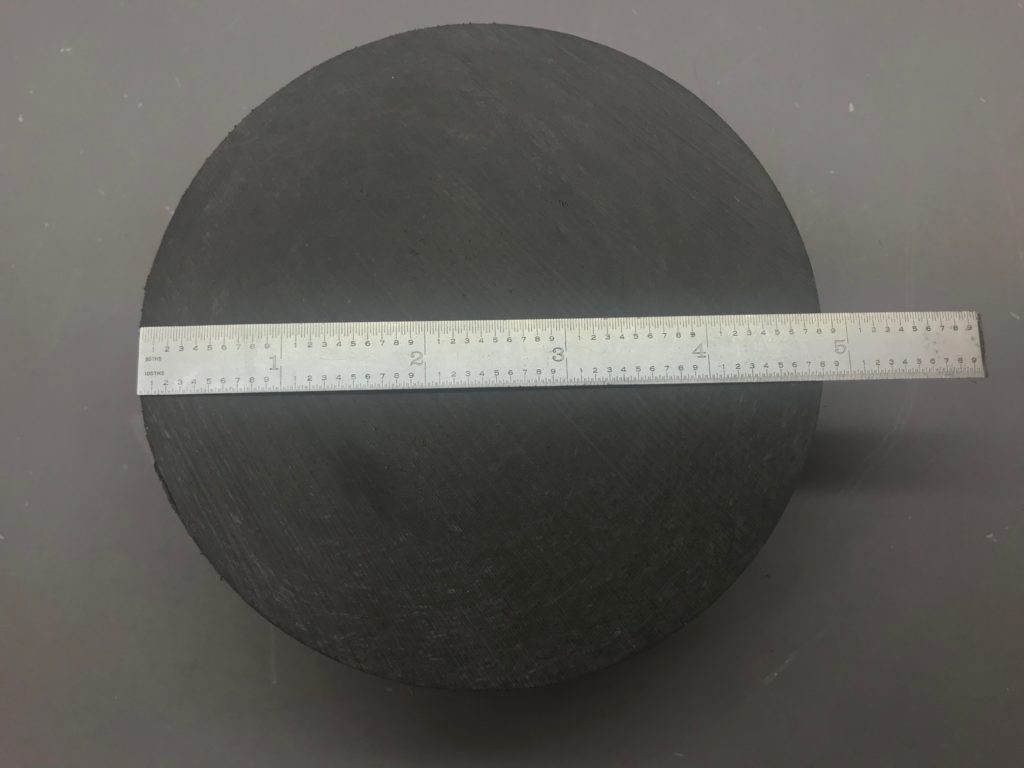
Cut section of nearly 5" thick cylinder injection molded with minimum porosity to be machined

The outside of a molded part cools against the mold first. Material in the center of a thick section remains hot longer and continues to shrink. If sufficient molten material cannot be packed into that section as it cools, the shrinkage may pull the outer surface inward, creating a sink mark, or leave an internal shrinkage void.

Gate design, material behavior, packing conditions, and cooling all affect the outcome. The acceptable level of internal porosity should be defined by the part’s function rather than assumed to be zero.

Section of Injection molding thick walled parts with no voids

Cutting a sample through a critical section provides a direct view of internal voids. Part weight can also help flag a change in the process, although weight alone cannot locate or rule out a void.
For nondestructive evaluation, methods such as ultrasonic testing, X-ray, or industrial CT may be considered according to the part’s material, size, geometry, and inspection requirements. CT can reveal hidden internal features and porosity, but the appropriate method must be selected for the specific part and production need.

Thick-walled molding requires a process that gives the center of the part enough time to cool while maintaining acceptable part quality and production efficiency. Gate and tool design, packing pressure and time, and cooling conditions may all need adjustment. Material choice and the allowable amount of porosity should be considered early in the project.

Discuss a Thick-Walled Part

If your component requires a solid section, an existing metal part is being converted to plastic, or internal voids are a concern, our team can review the design and its molding requirements.

Get In Touch

Call us

(281) 489-4292

Monday – Friday, 8am – 5pm CT

Email us

info@tx-im.com

We’ll respond within 24 hours

Visit us

11015 Bay Commerce Drive

Houston, TX 77034

USA Flag Icon
Texas Flag Icon

Visit www.texasinjectionmolding.com to learn more about our capabilities.

Begin Your Project