Transfer Tooling Services
Move Your Existing Tooling Into Production With a New Manufacturing Partner.
Texas Injection Molding provides tooling transfer services for manufacturers moving existing tooling to our Houston facility. Our project management, tooling, quality, and process engineering teams coordinate program evaluation, incoming inspection, sampling, and qualification to establish requirements for approved, ongoing production.
Transfer Existing Injection Molds to a New Manufacturing Partner
Recurring quality problems, missed deliveries, or limited production capacity can prompt a supplier change. You may also need more tooling and engineering support, want to consolidate suppliers, or plan to move production closer to your customers.
A successful transfer requires an understanding of the part, the mold, and the production requirements behind them. Texas Injection Molding reviews your existing program and available records to identify information gaps, assess manufacturing requirements, and determine the next steps toward production at our facility.
Contact our team before shipping your molds so we can review your program and discuss transfer requirements together.
Transfer Tooling Capabilities
Coordinated support for evaluating your tooling, qualifying parts, and establishing ongoing production at our Houston Plant.
Project Coordination: A project manager coordinates customer communication, technical teams, transportation logistics, and transfer scheduling, keeping responsibilities and next steps clear through production approval.
Technical Documentation Review: We review available part drawings, tooling files, setup sheets, sample parts, and quality records to understand current production requirements and identify information needed for evaluation.
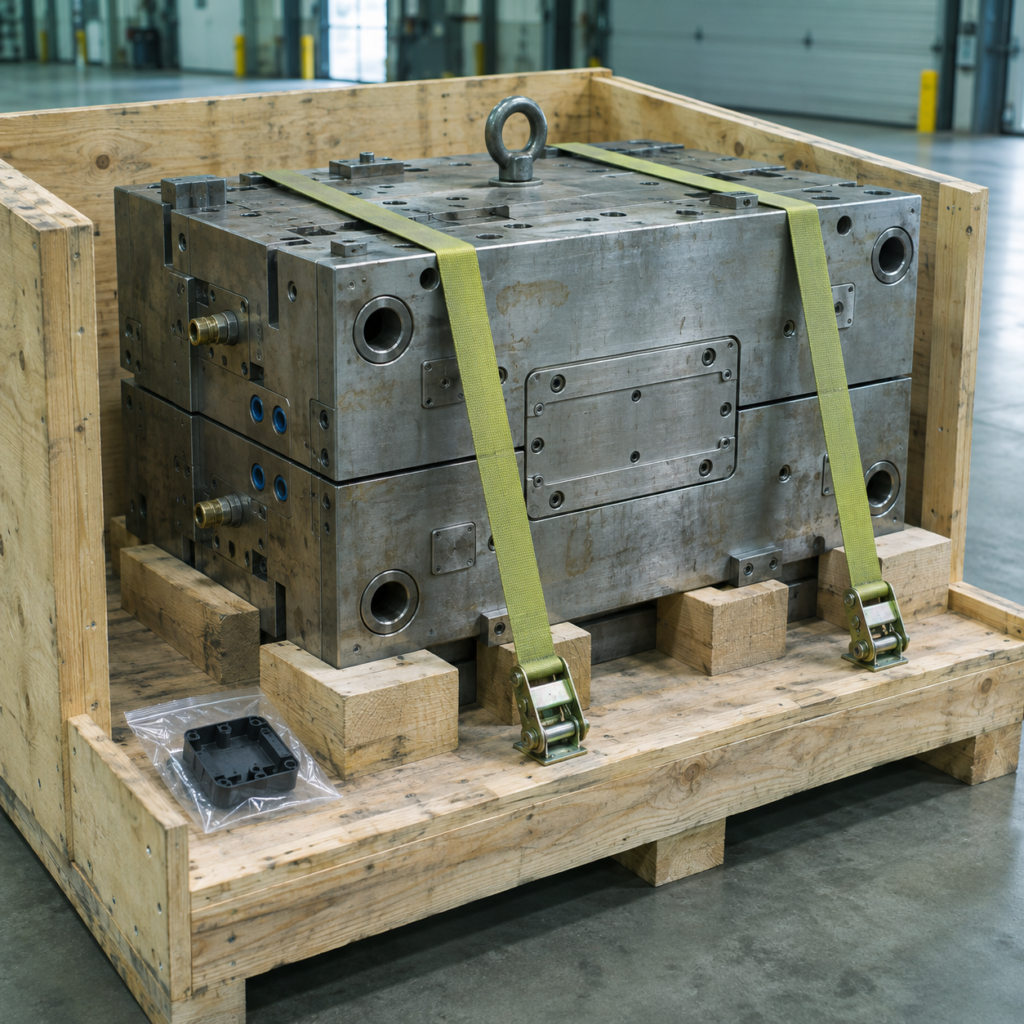
Incoming Tooling Inspection: Our tooling team inspects incoming molds and documents their condition. Findings help identify fitting, repairs, modifications, or process work that may need attention before production.
Process Development and Sampling: Process engineers establish molding parameters and sample the tooling to evaluate part quality, identify process issues, and support qualification at our facility.
Quality Planning and Part Qualification: Dimensional requirements, cosmetic standards, inspection criteria, and customer approval requirements guide quality planning and first article activities for the transferred program.
Ongoing Production and Tooling Support: Injection molding, in-house mold maintenance and repair, secondary operations, assembly, and packaging support your program after the initial transfer and production approval.
Our Transfer Tooling Process
Section introduction: Each transfer plan reflects your tooling condition, available information, production requirements, and customer approval needs.
Review the Existing Program: Share your part requirements, tooling information, production volumes, and target timing. We review the available details to assess program fit and establish the scope of the transfer.
Prepare the Transfer: Gather available records and sample parts, then coordinate inventory needs, transportation logistics, and transfer timing. Establish priorities for the parts needed during the transition.
Inspect and Sample the Tooling: We inspect the mold on arrival and sample it at our facility. Findings help identify tooling or process issues that need attention before the program moves toward approval.
Qualify Parts for Production: First article inspection results, quality documentation, and customer approval requirements guide production release. Ongoing manufacturing follows completion of the required qualification activities.
Plan Around Your Supply Requirements
Transfer timing depends on inventory coverage, the current supplier’s final production run, incoming inspection, required tooling work, material availability, sampling, and qualification. Discuss priority parts and delivery needs early so the plan accounts for the period before approved production at TXIM and helps manage disruption risk.
Transfer the Knowledge Behind the Part
Setup sheets, approved samples, quality history, color standards, and fixtures help explain requirements that drawings alone may not capture. Share the records you have, even if they are incomplete, so we can identify information gaps. Our tooling transfer planning checklist outlines information to gather before a move.
Why Choose Texas Injection Molding for Transfer Tooling?
Technical coordination, tooling resources, and manufacturing support for your transfer and the production program that follows.
Coordinated Technical Teams
Project management, tooling, quality, and process engineering work together on your transfer, connecting customer communication with the technical requirements for production.
In-House Tooling Resources
Our Houston tool shop supports mold maintenance, repairs, and insert changes, keeping tooling support connected to the team producing your parts.
Manufacturing Quality Systems
ISO 9001:2015 certification, documented processes, and material lot traceability support manufacturing accountability and the quality requirements of your transferred program.
Support Beyond Molding
Secondary machining, decorating, sonic welding, assembly, and custom packaging can be considered alongside molding to support your finished-part requirements.
Evaluating Your Tooling for Production at Texas Injection Molding
We evaluate potential transfers against part requirements, available drawings, tooling information and condition, material specifications, production volumes, order quantities, and delivery expectations. Quality and qualification requirements, secondary operations, and target timing also help determine whether the program is a fit for TXIM.
Send the information you have for an initial discussion. Our team can review your program, identify additional details needed, and discuss the manufacturing support required before establishing next steps for a transfer.
Transfer Tooling FAQs
Get answers to common questions about transferring your existing molds to TXIM, including tooling evaluation, timing, and production planning.
Can Texas Injection Molding accept injection molds built by another supplier?
TXIM evaluates existing molds built by other suppliers for production at our Houston facility. Tooling condition, part and material requirements, quality expectations, and production needs help determine whether a transfer is a fit. Contact our team before shipping tooling.
What information is needed to evaluate a mold transfer?
Start with part drawings, available tooling details, material specifications, estimated annual volumes, quality requirements, and target timing. Sample parts, setup sheets, and production history are also helpful. Share what you have so we can identify information needed for further evaluation.
How long does an injection mold transfer take?
Timing varies with tooling condition, available documentation, required tooling work, material availability, sampling, and customer qualification requirements. TXIM reviews these factors with your production needs to discuss an appropriate schedule for the program.
What happens if the mold needs repairs or modifications?
Incoming inspection and sampling help identify tooling work needed for production. TXIM’s in-house tooling resources support maintenance, repairs, and insert changes. The required work and its effect on timing and qualification depend on the mold and program requirements.
How are supply requirements considered during the transition?
Transfer planning considers existing inventory, the current supplier’s final production run, priority parts, and delivery needs alongside tooling inspection, material availability, sampling, and qualification. Reviewing these factors early helps manage the risk of a supply gap.
Get In Touch
Call us
Monday – Friday, 8am – 5pm CT
Email us
We’ll respond within 24 hours
Visit us
Houston, TX 77034


Visit texasinjectionmolding.com to learn more about our capabilities.