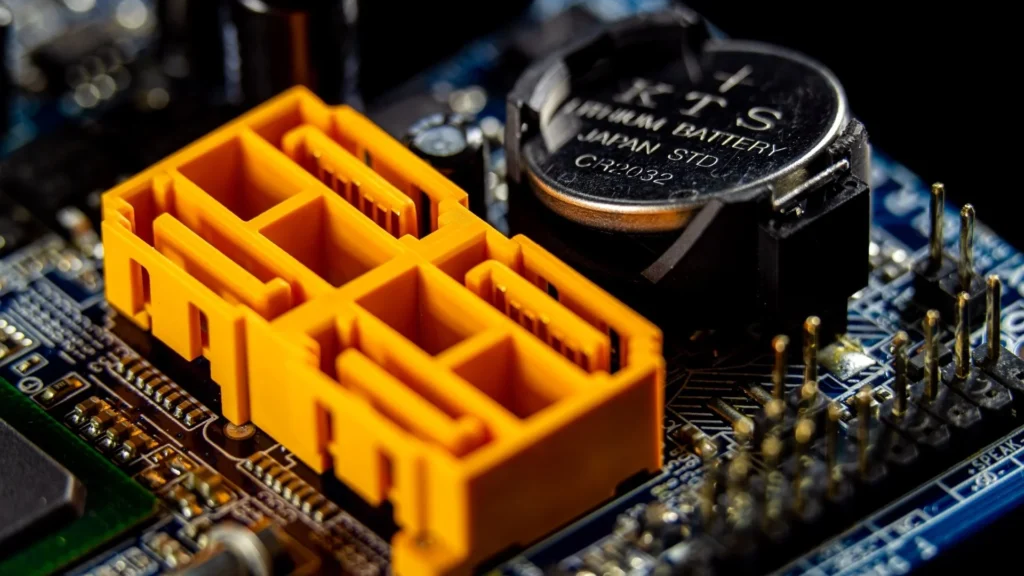
Injection molded plastic components commonly made from ABS or similar engineering thermoplastics

ABS Injection Molding: Everything You Need to Know About Processing, Designing, and Finishing ABS Parts

Material properties, processing requirements, design guidelines, and applications for ABS — one of the most common injection molding plastics. ABS — acrylonitrile butadiene styrene — is the most widely used engineering thermoplastic in injection molding. It is not a single material but a terpolymer whose three components each contribute distinct properties: acrylonitrile adds chemical resistance […]

ABS Injection Molding: Everything You Need to Know About Processing, Designing, and Finishing ABS Parts Read More »

Clear polycarbonate automotive headlamp lens showing optical clarity and impact resistance

Polycarbonate Injection Molding: How to Design, Process, and Specify PC Parts

A practical guide for engineers, product teams, and purchasing professionals specifying polycarbonate injection molded parts. Polycarbonate, often abbreviated as PC, is one of the most widely used engineering thermoplastics in injection molding. It is valued for a combination of properties that few plastics match at the same time: exceptional impact strength, high optical clarity, dimensional

Polycarbonate Injection Molding: How to Design, Process, and Specify PC Parts Read More »

Overmolding Tooling with Molded Plastic Parts

Overmolding Explained: Process Overview, Design Rules, and Material Combinations

How the overmolding process works, which material combinations bond, and the design rules that determine whether your overmolded part succeeds or fails. Overmolding is an injection molding process that produces a single part from two different materials by molding the second material directly over the first. The result is a multi-material part — a rigid

Overmolding Explained: Process Overview, Design Rules, and Material Combinations Read More »

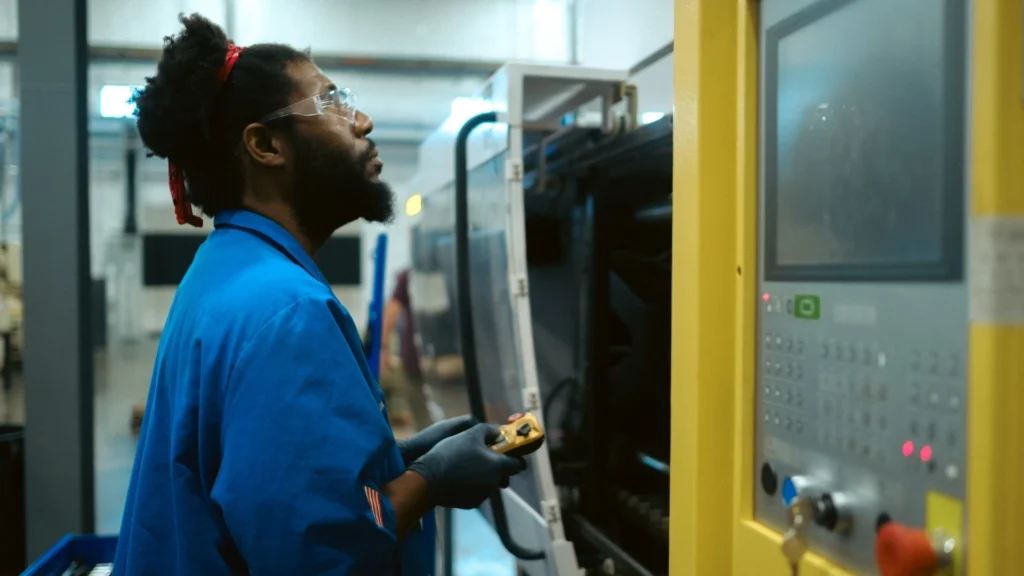
Injection molding technician operating machine controls on a production floor

Rapid Injection Molding: How the Process Works and When It Makes Sense

A practical guide for engineers and product teams. Rapid injection molding delivers real injection molded plastic parts in days to weeks, often making molded parts available earlier than full production steel tooling. It uses the same injection molding process and the same thermoplastic materials as production molding, but the tooling is made faster — typically

Rapid Injection Molding: How the Process Works and When It Makes Sense Read More »

Red plastic container moving through an automated blow molding production cell

Plastic Manufacturing Explained: Which Process Is Right for Your Part?

A practical comparison of plastic manufacturing processes — injection molding, blow molding, thermoforming, rotational molding, extrusion, compression molding, and more — to help you choose the right method for your part. Plastic manufacturing encompasses a range of processes, and the choice of method is one of the highest-leverage decisions in product development. Choose the right

Plastic Manufacturing Explained: Which Process Is Right for Your Part? Read More »

Close-up of precision-machined injection mold tooling with cavities, inserts, guide holes, and cooling line fittings for plastic part production.

How Injection Molding Works: The Complete Step-by-Step Guide to the Plastic Manufacturing Process

A step-by-step guide to the plastic injection molding process — what happens at each stage and why it matters for part quality. Injection molding works by melting plastic pellets and injecting the molten material into a precision metal mold under high pressure. Once the plastic cools and solidifies, the mold opens, the part is ejected,

How Injection Molding Works: The Complete Step-by-Step Guide to the Plastic Manufacturing Process Read More »

Injection mold tooling mounted in a plastic injection molding machine for precision manufacturing

Types of Injection Molding Technology: From Standard Thermoplastics to Overmolding, Gas-Assist, and Metal Injection Molding

A complete overview of the major types of injection molding — for engineers and buyers who need to choose the right process. Injection molding is not a single process. The major types of injection molding share the same core principle — forcing molten material into a closed mold — but differ fundamentally in machine configuration,

Types of Injection Molding Technology: From Standard Thermoplastics to Overmolding, Gas-Assist, and Metal Injection Molding Read More »

Close-up of flexible green nylon polyamide mesh with overlapping netted strands, showing the material’s fine texture and open structure.

Types of Nylon: How to Choose the Right Grade for Your Injection Molded Part

A complete guide to nylon grades, properties, and how to choose the right one for your injection molded part. Nylon, technically polyamide (PA), is one of the most versatile and widely used engineering thermoplastics in injection molding. It combines mechanical strength, wear resistance, and thermal stability in a material that processes reliably and costs far

Types of Nylon: How to Choose the Right Grade for Your Injection Molded Part Read More »

PLASTIC SERVICES - ASSEMBLY AND DECORATION

What Is Injection Molding?

A complete guide to the process, materials, and applications, built for engineers and buyers who need clear, actionable answers. If you design parts, evaluate manufacturing methods, or source suppliers, you need to understand how injection molding works and when to use it. This guide explains the process, costs, materials, and design considerations so you can

What Is Injection Molding? Read More »