A side-by-side comparison of two multi-material injection molding processes — when to use each and what each requires from the part design.
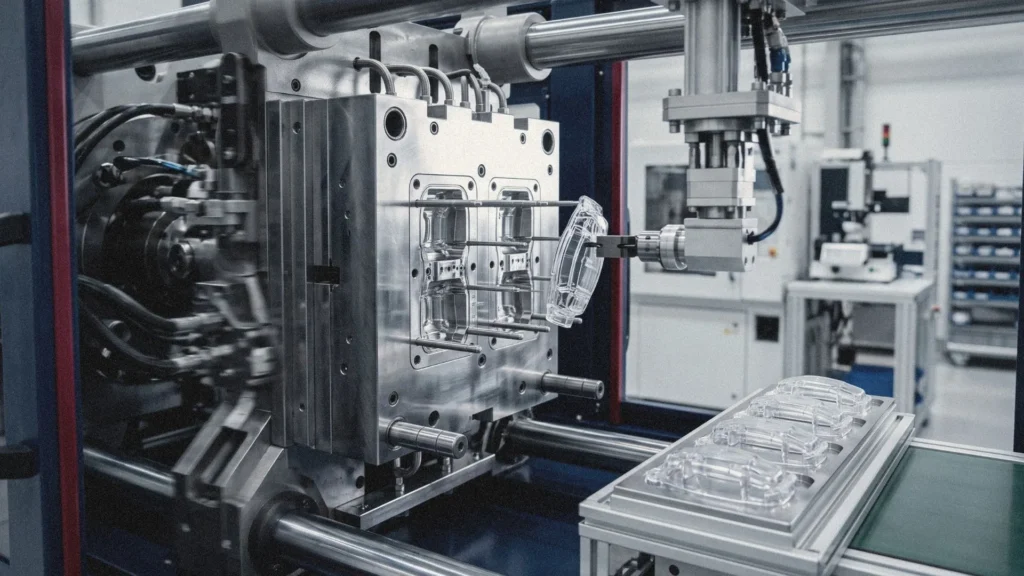
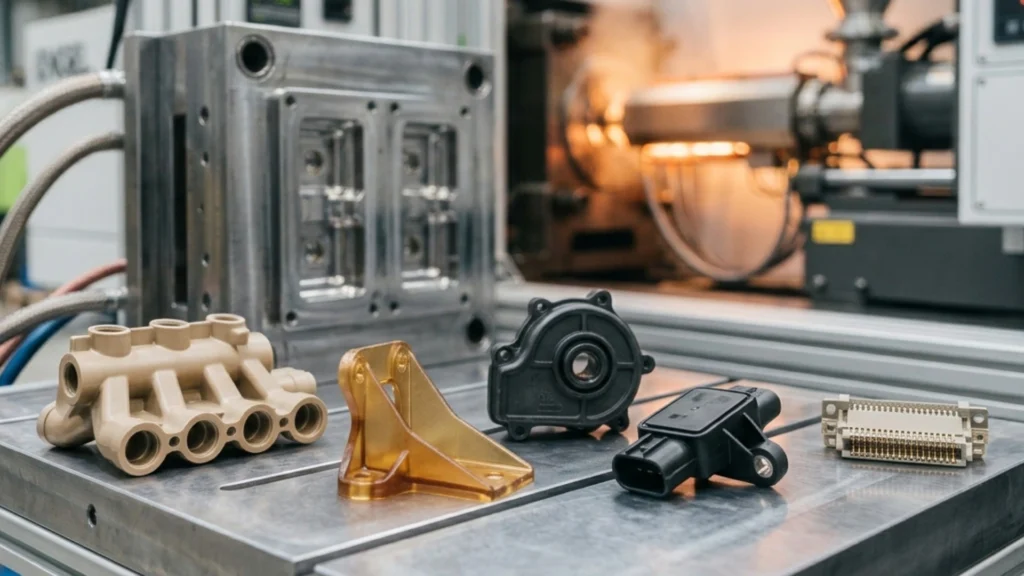
Insert molding and overmolding are both multi-material injection molding processes that produce a single molded part integrating more than one material. Engineers frequently ask which manufacturing process to use between overmolding and insert molding, and the answer depends primarily on what the second material is and what role it plays in the final product.
The core distinction is straightforward:
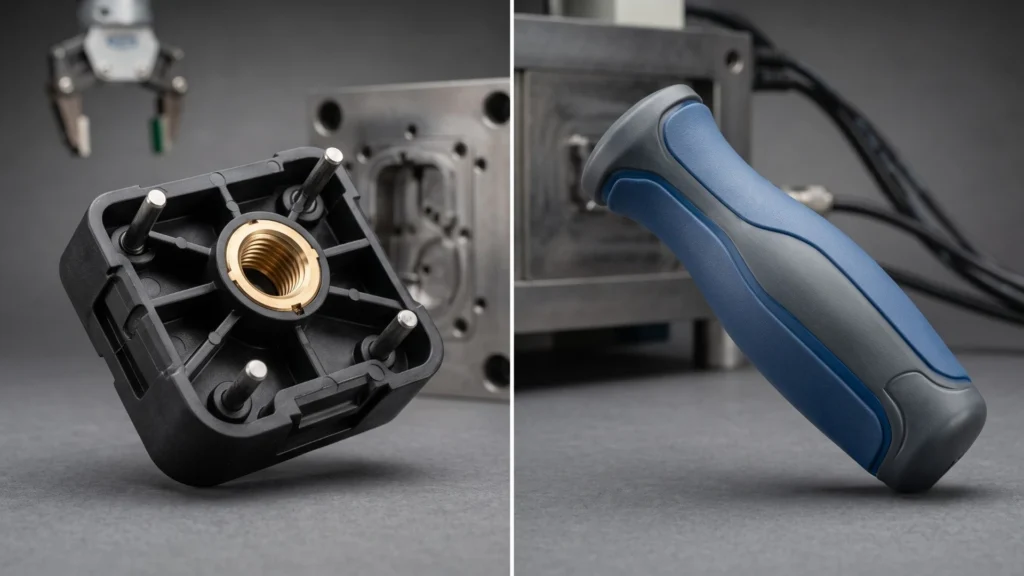
- Insert molding integrates a preformed, non-plastic component—most commonly metal—into a molded plastic part.
- Overmolding adds a second polymer material—often a soft elastomer—over a previously molded plastic substrate.
This guide compares insert molding and overmolding, including their applications, design requirements, tooling considerations, automation potential, and common quality risks.
Insert Molding vs. Overmolding
Insert molding encapsulates a preformed component, such as a threaded metal insert or electrical contact, within molded plastic. Overmolding molds a second polymer over a rigid substrate to add features such as grip, sealing, vibration damping, protection, or aesthetic differentiation.
What Is Insert Molding?
The insert molding process places a preformed component—typically a threaded brass insert, stamped metal contact, stainless steel pin, or electronic component—into the mold cavity before injection. Molten plastic is then injected around the component, encapsulating the insert within the finished part.
Why Use Insert Molding?
- Durable threaded connections: Threaded metal inserts embedded in plastic housings provide threads that can be repeatedly torqued without stripping.
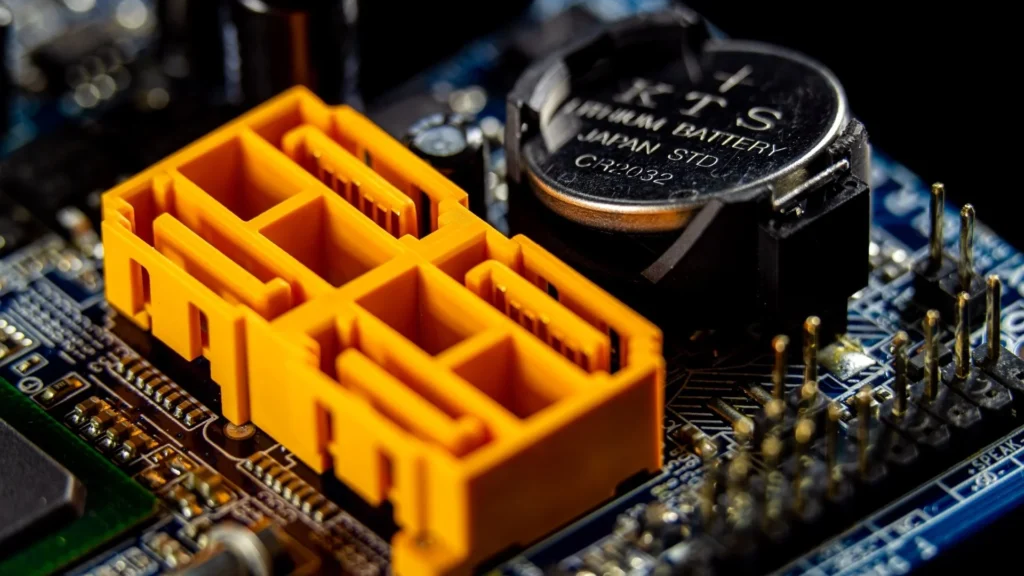
- Integrated electrical components: Electrical contacts and conductors can be molded directly into connector housings, joining metal and plastic to eliminate secondary assembly operations.
- Structural reinforcement: Metal reinforcement can improve the strength of load-bearing plastic brackets without requiring the entire part to be manufactured from metal.
- Reduced secondary assembly: Insert molding eliminates the labor and process variation associated with installing press-fit or heat-staked inserts after molding.
What Insert Molding Requires
- Consistent insert preparation: Inserts must be clean, dry, and correctly oriented when placed into the mold cavity. Insert placement is frequently manual and must be verified before each molding cycle.
- Precise mold retention: The mold must locate and retain the insert during injection. An insert that shifts under injection pressure can produce a defective part or damage the tooling.
- Controlled thermal conditions: Insert temperature and mold-cycle conditions must be coordinated because cold metal inserts can create thermal stress at the plastic-to-metal interface.
What Is Overmolding?
Overmolding is ideal when you need a second polymer material molded directly over a previously formed substrate. The overmold material is commonly softer than the substrate, such as a thermoplastic elastomer (TPE) or thermoplastic polyurethane (TPU), creating a multi-material part with a rigid structure and a soft functional or aesthetic surface.
Why Use Overmolding?
- Soft-touch grips and handles: Elastomeric surfaces can improve ergonomics, comfort, and product feel on tools and consumer electronics.
- Sealing and gasketing: Molded-in elastomeric seals can eliminate a separate gasket installation or assembly step.
- Vibration damping & Shock absorption: Elastomeric overmold layers can absorb shock and reduce the transmission of vibration.
- Color and aesthetic differentiation: A second material can add visual contrast, branding elements, or differentiated surface characteristics.
- Environmental protection: Overmolded seals can help protect connectors, housings, and electronic components from moisture and contaminants.
What Overmolding Requires
- Material compatibility: The substrate and overmold materials must bond chemically or mechanically. Incompatible material combinations can delaminate during use.
- Multiple molding steps: The substrate is molded first and then transferred to another mold—or repositioned within a multi-shot molding system—for the overmold shot.
- Mechanical bonding features: Through-holes, undercuts, ribs, grooves, and textured surfaces can create mechanical interlocks that supplement or replace chemical adhesion.
Material Compatibility Is Critical
A successful overmold depends on more than selecting one rigid material and one soft material. The substrate, overmold resin, surface condition, molding temperature, part geometry, and bond design must work together to prevent peeling or delamination.
Insert Molding vs. Overmolding Comparison
Insert molding and overmolding can both consolidate components and reduce secondary assembly, but they solve different design problems. The following comparison highlights the primary differences between the two processes.
| Comparison Factor | Insert Molding | Overmolding |
|---|---|---|
| Second Material or Component | Usually a preformed metal component, like brass, stainless steel, copper, or a stamped electrical contact. | Usually a second polymer, such as TPE or TPU, molded over a rigid plastic substrate. |
| Primary Purpose | Integrates metal features such as threads, electrical contacts, pins, or structural reinforcement. | Adds a soft or protective surface for grip, sealing, vibration damping, environmental protection, or aesthetics. |
| Bond Mechanism | The plastic mechanically encapsulates and retains the preformed insert. | The materials bond chemically, mechanically, or through a combination of both methods. |
| Tooling Requirements | Requires insert-loading access, retention fixtures, and precise mold-locating features. | Typically requires separate substrate and overmold tooling or a specialized multi-shot mold and machine. |
| Process Automation | Insert loading is often performed manually, although robotic loading can be used at higher production volumes. | Substrate transfer can be automated with robotics, rotary platens, or multi-shot molding equipment. |
| Primary Quality Risk | Incorrectly positioned, missing, contaminated, or shifting inserts can create defective parts. | Poor adhesion, incompatible materials, or inadequate mechanical retention can cause peeling or delamination. |
How to Choose Between Insert Molding and Overmolding
Choose insert molding when the part needs to integrate a preformed component that provides a function the molded plastic cannot reliably provide by itself. Common examples include durable threads, electrical conductivity, precision pins, wear surfaces, and localized metal reinforcement.
Choose overmolding when the part needs a second polymer layer that provides a different surface property or function. Typical examples include soft-touch grips, integral seals, vibration isolation, impact protection, waterproofing, and aesthetic contrast.
In some applications, the processes are complementary rather than mutually exclusive. A complex component can be insert molded to integrate metal hardware and then overmolded with an elastomeric material to add sealing, protection, or grip.
Frequently Asked Questions
Can insert molding and overmolding be combined in the same part?
Yes. Combining the two processes is common in complex, multifunctional components. For example, a connector housing can use insert molding to integrate metal contacts into the plastic body and then use overmolding to apply a TPE sealing boot around the connector.
The production sequence may involve positioning the metal inserts, molding the rigid substrate around them, and then transferring the insert-molded substrate into another mold for the elastomeric overmold layer.
Is insert molding stronger than heat staking or ultrasonic insertion?
Insert molding generally provides greater pull-out and torque resistance than post-mold insertion methods. During insert molding, the plastic flows around the insert and shrinks as it cools, creating strong mechanical encapsulation.
The trade-off is greater molding-cycle complexity. Inserts must be loaded, positioned, and retained correctly during every cycle, which can increase handling requirements and cycle time.
Does overmolding always require chemical adhesion?
No. Chemical adhesion is beneficial, but the part can also rely on mechanical retention. Through-holes, undercuts, grooves, textured surfaces, and other interlocking features allow the overmold material to physically anchor itself to the substrate.
For demanding applications, designers often use both chemical compatibility and mechanical interlocks to create a more reliable bond.
What materials are commonly used for overmolding?
Common overmolding materials include thermoplastic elastomers and thermoplastic polyurethanes. The correct material depends on the required hardness, chemical resistance, temperature performance, weatherability, grip, sealing performance, and compatibility with the rigid substrate.
Material compatibility should be verified with resin-supplier data and production testing before the final material combination is approved.