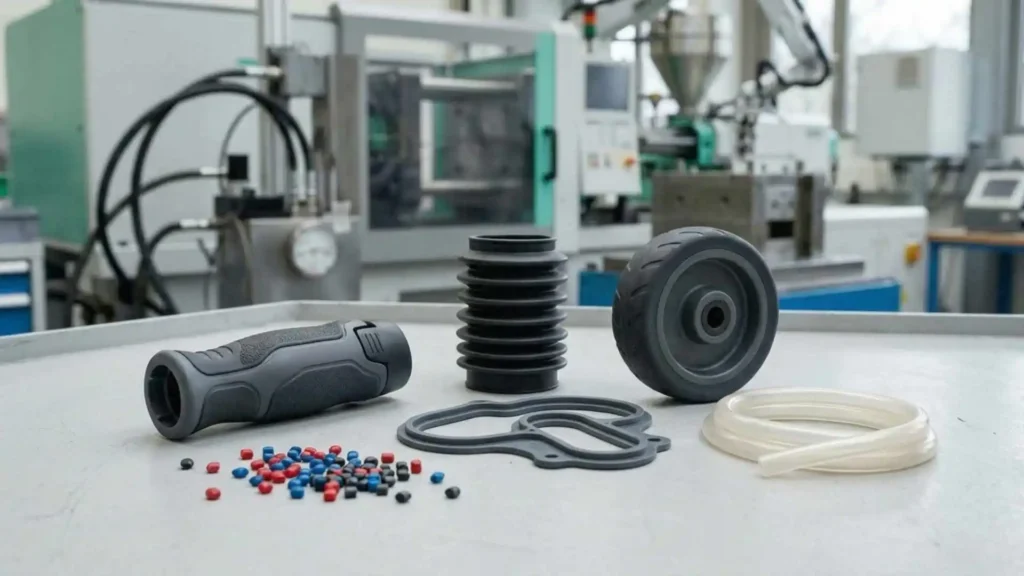
Understanding tooling cost, piece price, and the key factors driving injection molding program economics.
Injection molding cost has two distinct components that must be understood separately: tooling cost, the one-time investment to build the mold, and piece price, the per-part cost to run production. Conflating them leads to poor sourcing decisions — either over-investing in tooling for a low-volume program, or under-investing in tooling that cannot support production volumes.
Tooling Cost: The Entry Investment
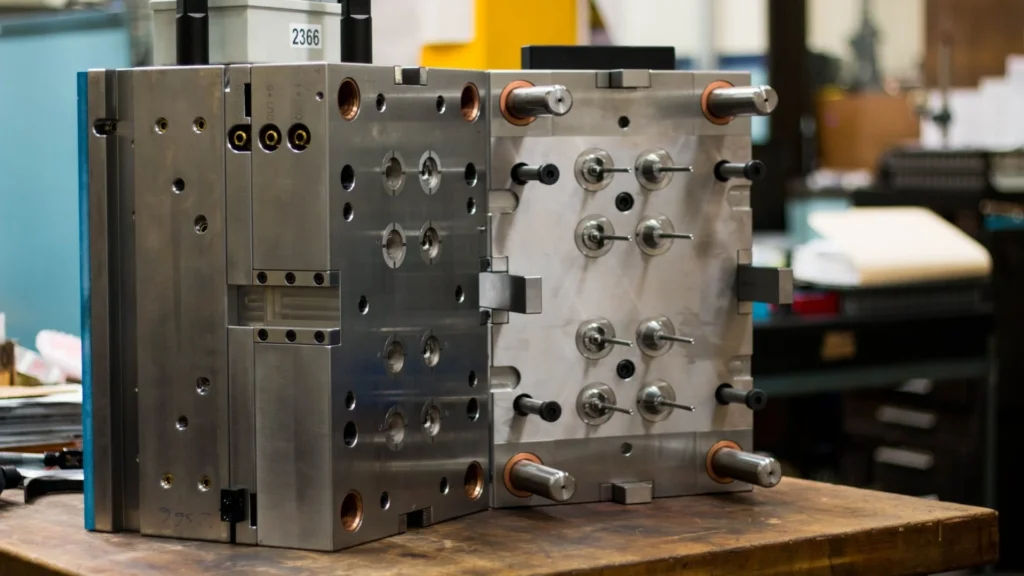
The injection mold is a capital asset. It is owned by the customer, built to their design, and defines the geometry of every part that will ever come from it. Tooling costs are driven by:
- Part complexity: Number of surfaces, undercuts, side actions, lifters, and specialty features each add machining time and tooling complexity.
- Mold material: Aluminum tools are faster and cheaper to make but have shorter tool life; hardened steel tools are more expensive and take longer but last millions of cycles.
- Number of cavities: A 4-cavity tool costs more than a single-cavity tool but produces 4 parts per shot, which can be justified by high annual volumes.
- Surface finish requirements: Polished optical finishes require additional hand-finishing work; textured finishes require EDM or chemical etching.
- Part size: Larger parts require larger mold bases, bigger presses, and more material in the tool itself.
Piece Price: The Production Cost
Piece price is the per-part cost of running production. It is driven by four primary factors:
| Cost Driver | How It Affects Piece Price |
|---|---|
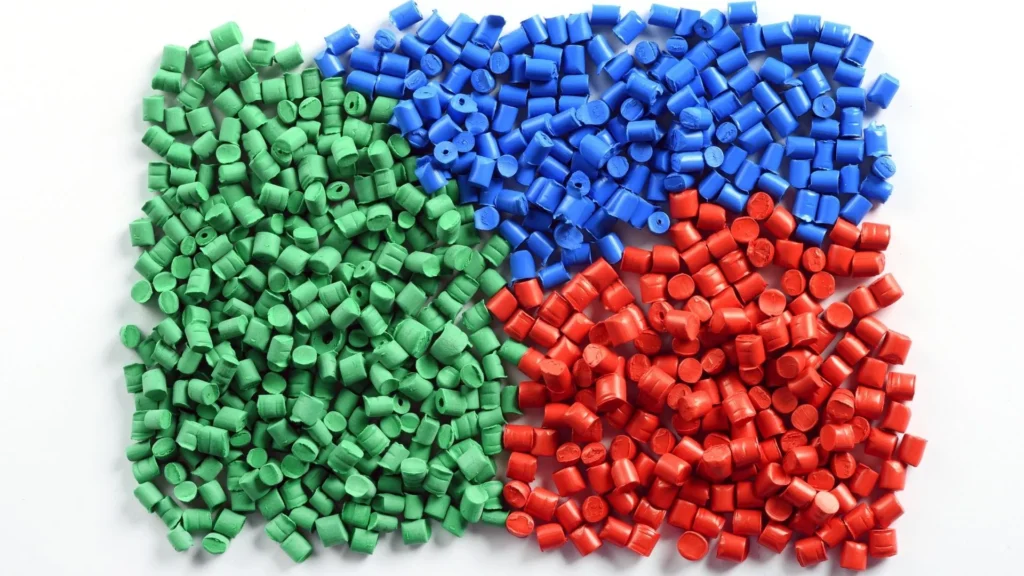
| Material cost | Resin price per pound × shot weight. Engineering resins cost significantly more per pound than commodity plastics. |
| Machine time | Press hourly rate × cycle time ÷ number of cavities. Faster cycles and more cavities reduce cost per part. |
| Labor and overhead | Setup, operator cost, quality inspection, and facility overhead allocated per part. |
| Scrap and rejects | Defective parts add to the effective cost per good part and are minimized by good design and process control. |
What Drives Total Program Cost
The most important economic lever in injection molding is volume. As annual volume increases, tooling cost per part falls through amortization, and opportunities for multi-cavity tooling and optimized cycle times reduce piece price further. The total program cost function is not linear — it has a knee point where injection molding becomes highly cost-competitive.
Cost Reduction Note
Design decisions made before tooling is cut have by far the greatest impact on total program cost. Uniform wall thickness reduces cycle time and scrap. Eliminating unnecessary undercuts reduces tooling costs. Getting DFM (Design for Manufacturability) right the first time avoids costly engineering changes after steel is cut. Every dollar required to be spent on design review before tooling can save five to ten dollars downstream.
Frequently Asked Questions
Does Texas Injection Molding own my mold?
No. Tooling built for your program belongs to you — it is your asset. We build and maintain it, but you own it and can take it elsewhere if you choose. We recommend formalizing tooling ownership in your purchase agreement.
How do I reduce injection molding tooling cost?
Design simplification is the highest-leverage approach: eliminate undercuts and side actions, use standard mold base sizes, minimize cavity count for early production, and use aluminum tooling for low-volume programs. DFM review before tooling begins catches cost-adding features before they become expensive tooling decisions.
When does multi-cavity tooling make economic sense?
Multi-cavity tooling makes economic sense when annual volume is high enough that the additional tooling cost is recovered through lower piece price within a reasonable timeframe, typically 12–24 months. A mold quote from Texas Injection Molding includes a volume analysis that identifies when stepping up cavity count makes economic sense.