A complete guide to the process, materials, and applications, built for engineers and buyers who need clear, actionable answers to meet demanding project requirements.
If you design parts, evaluate manufacturing methods, or source suppliers, you need to understand how injection molding works and when to use it. This guide explains the manufacturing process, costs, materials, and design considerations so you can make informed decisions for your next product.
At Texas Injection Molding, we have produced thousands of custom plastic parts across automotive, medical, industrial, and consumer applications for decades. Everything here reflects the real decisions our customers face.
How the Injection Molding Process Works
Injection molding follows a repeatable five-step cycle. Each stage directly affects part quality, cycle time, and cost. Understanding the manufacturing process helps both engineers and buyers make better decisions.
Step 1: Clamping
The machine closes the mold by pressing the core and cavity together. It must apply enough clamp force to resist injection pressure. Otherwise, melted plastic escapes at the parting line and creates flash.
Step 2: Injection
The system melts plastic pellets in a heated barrel. Then, a reciprocating screw pushes molten plastic through the nozzle, runner system, and gate into the cavity.
At this stage, the machine precisely controls injection speed, pressure, and temperature. As a result, the cavity fills completely without defects.
Step 3: Packing
After filling, the machine applies packing pressure to compensate for material shrinkage as the plastic begins to cool back down. This step directly affects final dimensions and surface finish.
If packing pressure drops too early, sink marks often appear in thicker areas.
Step 4: Cooling
Cooling usually accounts for 50 to 80 percent of the total cycle time, so it has the greatest impact on cost.
The mold uses internal water channels to remove heat. Uniform wall thickness helps parts cool evenly and prevents warpage. Thick sections cool more slowly, which can distort adjacent features due to internal thermal stresses.
Step 5: Ejection
Once the melted plastic solidifies, the mold opens and ejector pins push the part out. Then, the mold closes and the cycle repeats.
Engineers must plan ejector pin placement early. Pins leave witness marks and must contact structurally sound areas.
Process Note
Cycle time, measured from mold close to mold close, is the primary driver of per-part cost. Reducing cooling time through optimized wall thickness or conformal cooling channels directly reduces piece price. This is why process engineers invest significant effort in cycle time reduction without compromising part quality and high performance standards.
Key Components of an Injection Molding Machine
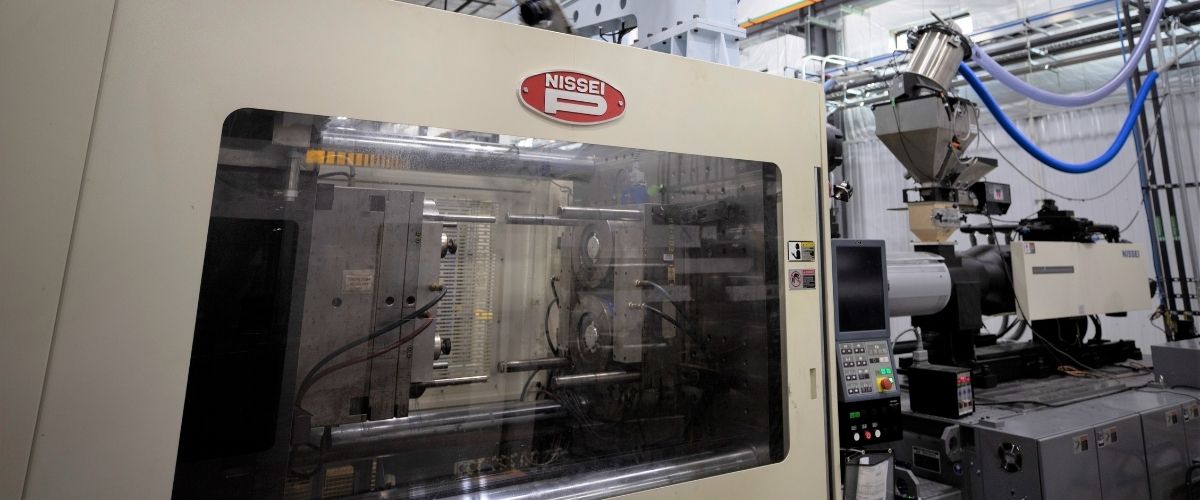
Knowing the components helps engineers communicate precisely with their molder and understand how machine specifications affect their part.
| Machine Component | Function |
|---|---|
| Hopper and Dryer | Where plastic pellets are loaded and dried before processing. Moisture in the barrel causes splay, bubbles, and material degradation. |
| Barrel and Screw | The screw conveys, melts, and meters plastic. Heater bands maintain temperature zones from feed to nozzle. |
| Injection Unit | Controls shot size, injection speed, and pressure. Precision here determines fill balance and part-to-part consistency. |
| Clamping Unit | Holds the mold closed during injection. Clamp tonnage is matched to the projected area of the part to handle high pressure. |
| Nozzle | Delivers melt into the sprue and must seal against the mold during injection. |
| The Mold Tooling | Core, cavity, runner, gates, cooling channels, vents, and ejector system. The tool defines the part geometry and drives quality. |
Materials Used in Injection Molding
Thermoplastic injection molding works with hundreds of resins. The right material depends on mechanical requirements, temperature rating, chemical exposure, regulatory compliance, and cost. Material choice also affects mold design because shrinkage, draft requirements, gate location, and required tool hardness all vary by resin type.
| Material | Typical Applications | Key Advantage | Max Temperature |
|---|---|---|---|
| Polypropylene PP | Packaging, automotive trim, living hinges | Lightweight, low cost, chemical-resistant | ~105°C |
| ABS | Enclosures, consumer goods, prototypes | Impact-resistant, easy to finish | ~93°C |
| Polycarbonate PC | Lenses, safety gear, medical housings | Exceptional clarity and impact strength | ~132°C |
| Nylon PA 6/6 | Gears, bushings, structural brackets | High wear resistance and strength | ~121°C |
| Acetal / Delrin | Precision gears, valves, fasteners | Dimensional stability, low friction | ~110°C |
| PEEK | Aerospace, medical implants, high-load parts | Extreme heat and chemical resistance | ~250°C |
| TPE / TPU | Grips, seals, soft-touch overmolds | Rubber-like flex with thermoplastic processing | ~90°C |
For a detailed comparison of injection molding plastics by application type, see our Injection Molding Material Selection Guide.
What Products Are Made with Injection Molding?
Injection molding supports many different industries. Because it delivers precision and scalability, manufacturers rely on this process to create high-volume plastic parts.
| Industry | Common Injection Molded Products |
|---|---|
| Automotive | Dashboards, bumpers, door panels, climate vents, sensor housings, and interior trim. A typical passenger vehicle contains over 200 injection molded components due to strict weight and safety demands. |
| Medical | Syringe barrels, IV connectors, diagnostic housings, surgical handles, and laboratory consumables. Medical molding requires material traceability and often cleanroom production. |
| Electronics | Connector housings, switch bodies, enclosures, and EMI shielding frames. High precision injection molding is essential because connectors usually require tolerances of ±0.002 inches or tighter to meet performance specs. |
| Consumer Goods | Bottle caps, food containers, appliance housings, toys, and sporting goods. These are typically among the highest-volume runs in the industry. |
| Aerospace and Defense | Ducting, clips, brackets, and interior cabin components requiring flame ratings. ITAR-controlled programs often require domestic molding. |
| Packaging | Closures, dispensers, vials, and clamshells. Cycle times are optimized to the second and multi-cavity tooling is standard. |
Advantages of Injection Molding
The dominance of injection molding as a primary manufacturing process is not arbitrary. It delivers a combination of capabilities that no alternative matches when quality requirements and production volumes are both meaningful.
- High repeatability: Once validated, every part is essentially identical shot after shot, meeting the consistency demands of medical, aerospace, and precision industrial applications.
- Complex geometry in a single operation: Undercuts, threads, living hinges, textures, and overmolded inserts can all be produced in the same cycle without secondary machining.
- Excellent surface finish: The mold surface is replicated directly on the part. Polished tools produce mirror finishes, while textured tools produce matte or patterned surfaces with no post-processing.
- Low per-part cost at volume: Tooling is amortized across the production run. At high quantities, the mold contribution per part becomes negligible.
- Material versatility: Hundreds of resins cover requirements from food-contact compliance to extreme temperature environments to biocompatibility.
- Minimal material waste: Unlike subtractive manufacturing, injection molding generates little scrap. Runner material can often be reground and reprocessed.
- Fast cycle times: Most parts cycle in 15 to 90 seconds, enabling high output even from single-cavity tools. Multi-cavity molds multiply throughput without additional machine time.
When Does Injection Molding Make Sense?
Injection molding can be an ideal manufacturing solution, but it is not the right answer for every plastic part. Knowing where it performs best, and where alternatives may outperform it, prevents expensive tooling commitments on the wrong process.
Use Injection Molding When
- Production volume justifies tooling investment, typically 1,000 parts and above, though short-run and low-volume options exist.
- Part-to-part consistency is critical. Regulated industries, precision assemblies, and appearance-class surfaces require the repeatability injection molding delivers.
- Geometry is complex. Injection molding handles features that machining and blow molding cannot, including thin walls, undercuts, threads, snap fits, and integrated hinges.
- Material requirements are specific. Engineering thermoplastics, flame-rated resins, medical-grade polymers, and chemical-resistant materials are all available.
- Surface finish quality matters. If the part is visible or requires a specific gloss or texture level, the finish comes directly from the tool.
Consider Alternatives When
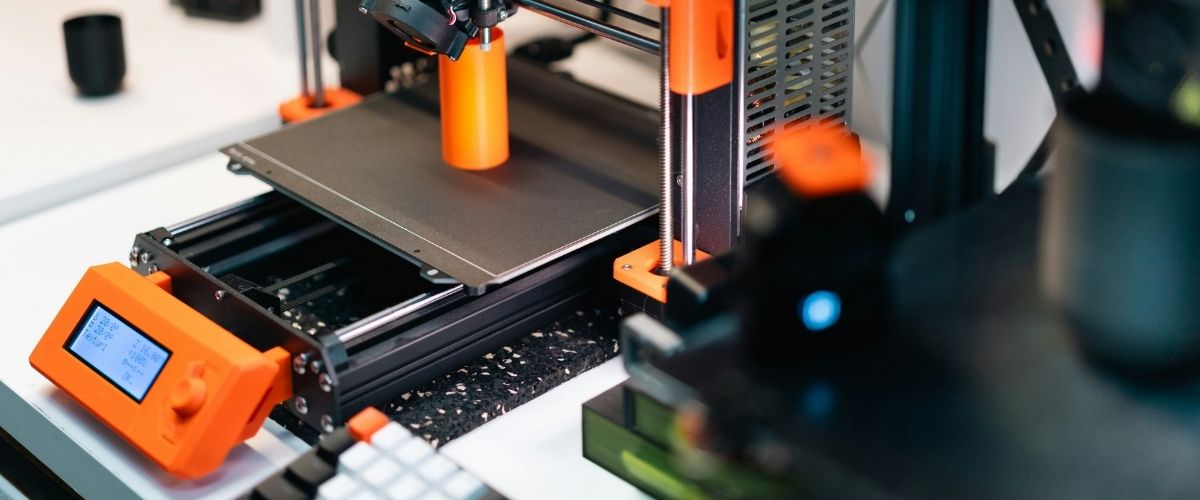
- Volume is below 500 parts. 3D printing or urethane casting typically delivers better total cost at low quantities.
- The design is not finalized. Committing to steel tooling before design validation is complete is a costly risk. Rapid injection molding or prototype casting validates first.
- The part requires a hollow interior. Blow molding and rotational molding are better suited to bottles, tanks, and large hollow containers.
Low-Volume Production Note
Evaluating a smaller run or a part still in design validation? Texas Injection Molding offers low volume injection molding and short run injection molding with aluminum tooling, a lower-cost entry point that delivers real injection molded parts while your design is finalized.
Designing Parts for Injection Molding
The injection molding process imposes geometric constraints that do not exist in machining or 3D printing. Parts designed with these constraints from the start are less expensive to tool and faster to qualify. Designing without them is discovered expensively after steel is cut.
Draft Angles
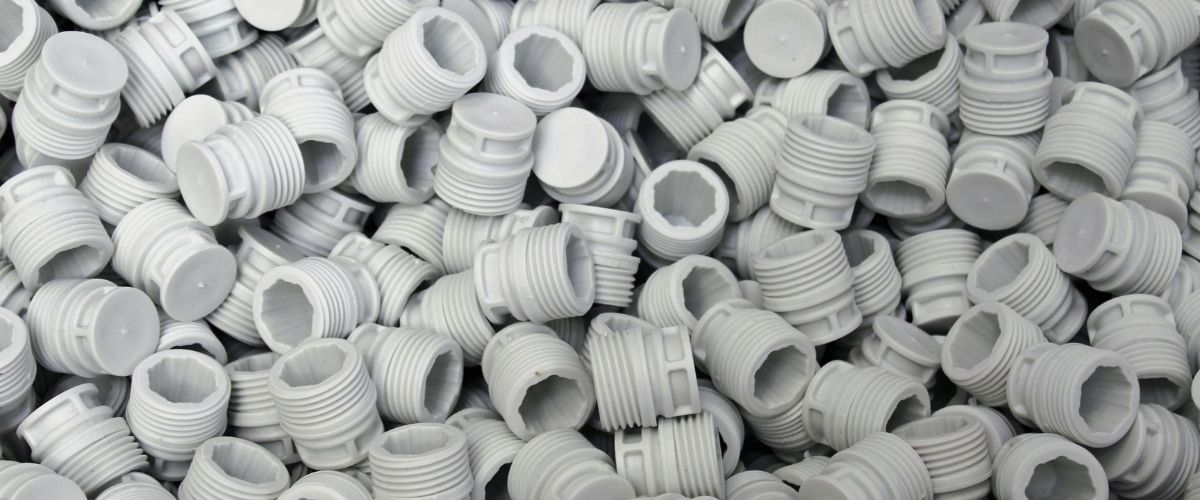
Every surface parallel to the mold opening direction must be tapered slightly, usually 1° to 3°, to allow the part to release without drag marks or sticking. Textured surfaces require more draft, typically 3° to 5° depending on texture depth.
Wall Thickness
Uniform wall thickness is the single most important rule in injection molding design. Walls that vary significantly cool at different rates, causing warpage, sink marks, and internal voids. For most engineering thermoplastics, a nominal wall of 0.080 to 0.150 inches is recommended. Transitions between various thicknesses should be gradual to maintain ideal material flow.
Ribs and Bosses
Ribs add stiffness and overall structural performance without adding wall thickness. Their thickness should be 50 to 70 percent of the nominal wall to avoid sink on the opposite face. Bosses should have walls no greater than 60 percent of the nominal wall and should be gusseted where load-bearing. Tall unsupported bosses are a common source of sink marks and warpage.
Undercuts
Undercuts are features that prevent straight-pull ejection. They require side actions, lifters, or collapsing cores, which add tooling cost. Where possible, redesign undercuts as shutoffs. Where unavoidable, design them early so the tool can accommodate them cleanly.
For a complete design guide covering gate location, parting lines, tolerances, and surface finish specification, see our Design for Manufacturability DFM guide for injection molding.
Frequently Asked Questions
What is injection molding used for?
Injection molding is used to manufacture plastic parts at volume across virtually every industry, including automotive, medical devices, electronics, consumer goods, aerospace, and packaging. Any plastic part that requires consistent dimensions, a good surface finish, and quantities above roughly 1,000 units is a candidate.
What materials can be injection molded?
Hundreds of thermoplastic resins are processable, from commodity plastics such as PP, ABS, and HDPE to engineering grades such as PC, nylon, Delrin, and PBT to high-performance materials such as PEEK, PEI, and PPS. Thermoset materials, including liquid silicone rubber LSR, can also be injection molded using modified equipment.
How long does it take to make an injection mold?
An aluminum prototype mold for a moderate-complexity part typically takes 3 to 5 weeks from approved design to first parts. A production steel mold with multiple cavities and complex geometry can take 8 to 16 weeks. Rush programs with pre-machined mold bases can compress aluminum tool lead times significantly.
How accurate is injection molding?
Injection molding routinely holds tolerances of ±0.005 inches on non-critical dimensions, with critical features achievable at ±0.001 to 0.002 inches under scientifically controlled processes. Amorphous plastics like ABS and PC hold tighter tolerances than semi-crystalline materials like nylon and PP, which shrink more unpredictably.
What is the minimum order quantity for injection molding?
There is no fixed minimum, but injection molding becomes cost-competitive where tooling cost is acceptably amortized, typically 1,000 parts and above for most applications. Short run injection molding with aluminum tooling makes smaller quantities viable. For quantities under 500 parts, 3D printing or urethane casting often delivers better total cost.
How are injection molds made?
Molds are machined from P20 pre-hardened steel, hardened H13 tool steel, or aluminum for prototype and low-volume tools. The tool is roughed and semi-finished by CNC milling, with fine detail features produced by EDM. The tool is then polished or textured, assembled, and validated with a series of trial shots.
What is the difference between injection molding and blow molding?
Injection molding produces solid plastic parts by filling a closed mold with molten plastic under pressure. Blow molding produces hollow parts, such as bottles, containers, and tanks, by inflating a molten plastic parison with compressed air. They are complementary processes: injection molding for solid structural parts and blow molding for hollow thin-wall containers.
Working with Texas Injection Molding
Injection molding rewards preparation. When you design parts correctly and select materials carefully, production runs smoothly and cost-effectively to meet your performance goals.
At Texas Injection Molding, we support your project from early DFM through full manufacturing and production. We also manufacture domestically, which reduces lead times, simplifies communication, and brings production back under tight quality control.
If you are evaluating a new project or considering a tooling transfer, we can help you determine the right approach. More importantly, we will give you clear, realistic guidance on cost, tooling, and timelines for various types of products.